
SGS Sparks Outrage: Gothenburg Students Hit Hard by Rent Hikes and Housing Woes
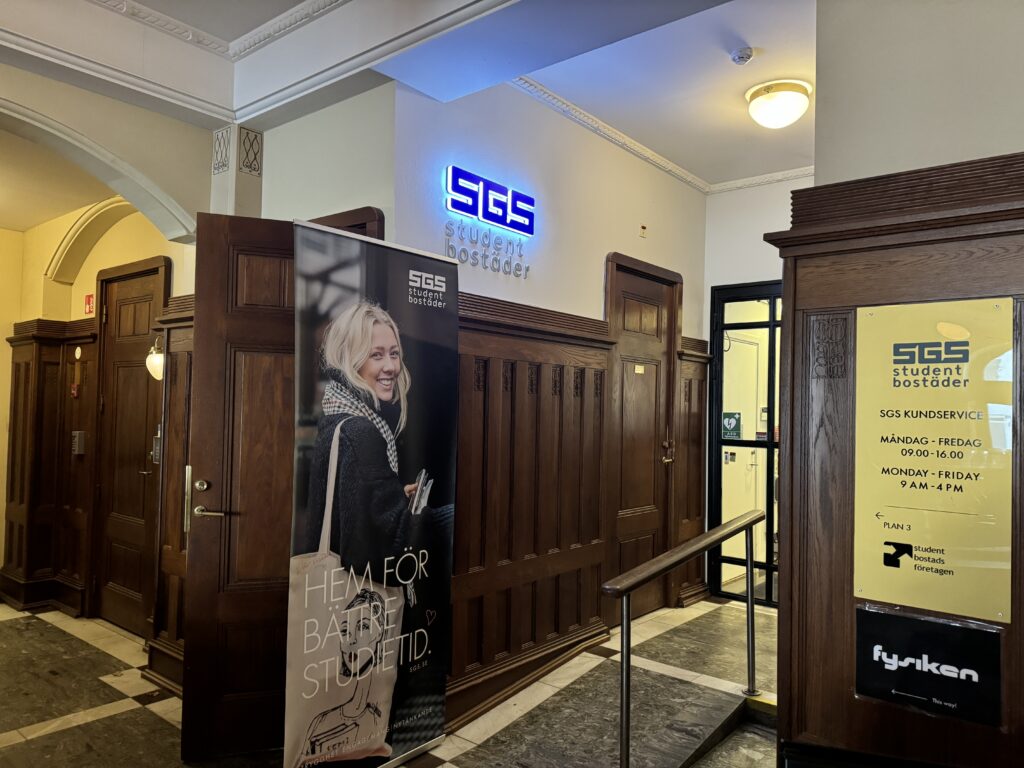
Students across Gothenburg are left frustrated after SGS Student Housing announced a sudden rent increase for 2025, raising concerns about the strain on student budgets that are already stretched thin.
On November 18, students across Gothenburg received a notification from SGS Studentbostäder and the Swedish Union of Tenants announcing a 4.53 percent rent increase for most properties starting January 1.
For Farhad Najafzade, a master’s student at the University of Gothenburg, the rent hike was an unexpected and heavy blow.
“It’s a lot of increase, and it’s going to affect my financial situation quite a lot. Now, I must have an additional part-time job or pay for it or ask for it from my parents, which I don’t want as well.”
Broadband Blues
The rent hike is not the only frustration for SGS residents. Earlier this year, SGS increased its broadband fees by 43 percent, justifying the increase by citing inflation as the main cause, but students are sceptical of the changes.

SGS resident Haorui Wang also shared his dissatisfaction:
“They also say they improved the quality of the internet. I use the internet daily and play online games as a hobby. I haven’t felt the improvement in the internet connection.”
Haorui Wang. Photo by Yang Liu
Locked In: Notice Period Increased
Adding to the students’ woes, SGS Ugot residents are now subjected to an increased notice period. This policy can force students to pay double rent if their new lease starts before the notice period ends.
“I am basically stuck in this apartment.” Najafzade says. He found a cheaper, more convenient apartment closer to the city centre but can’t move due to the lengthy notice period. “You can always fill the house within even two weeks, so what’s the point of a three-month period?” he continues.

Farhad Najafzada. Photo by Nigar Hasanova
Waiting Game: Years-Long Queues
The timeframe for accepting student housing can be different as well, according to the SGS annual report. The average waiting time changes from the average queue time for a central apartment: 3–5 years, and it’s for the average queue time for non-central apartments: a minimum of 2 years.
Ruiqing Wang, a student at the University of Gothenburg, highlighted a similar issue: some students just pay two or three months before moving to Gothenburg to keep the place.

“To be honest, I started to pay my rent in June, although I moved here only in August. The housing market is difficult, and many local people generally apply for those houses whose rental agreements start in August, and in that case, you wait in line forever. Because of that, I paid an additional 8500 SEK starting from June.”
Ruiqing Wang. Photo by Yang Liu
How Revenue is Allocated?
Before the increase, SGS released the annual report showing how the increase is distributed among expenses. According to the annual report, the revenue is mainly going to be spent on finishing the renovation projects and building new housing units to meet the goal of Gothenburg 7000+.
Made with Visme
However, SGS annual reports highlight the disparities between the goals and actual implementation from 2016 to 2023. The Göteborg 7000+ initiative aimed to add 7,000 student apartments by 2026. Progress is far behind expectations. Only 214 new units were added in 2023 at Opaltorget, far below the annual 700-unit pace required to meet the target. Meanwhile, 400 planned apartments remain on hold, leaving Gothenburg a “red city” for student housing security.
Regulation Reforms or Just Promises?

In Gothenburg there are 12,000 student housing units. SGS manages 8,000 apartments, while private providers add an additional 4,000 units. The University of Gothenburg and Chalmers University have a total of 67,000 students, and 39,000 of them are full-time students living on campus.
With these numbers considered, about 27,000 students studying full time on campus cannot get student housing. The shortage of units causes some students to reconsider and give up their places at the universities. According to the statistics provided by SFS, 29 percent of students choosing to study at the University of Gothenburg opt out of it just because they cannot find accommodation.
Although solving this problem would be an issue due to the increase of students demanding housing, SFS Vice President Elsa Berlin stated that there is a real need for the regulatory changes to ease the situation.
She claims that some assistance is provided in the form of student loans and that laws should be modified and put into effect to support various student-supporting policies; for instance, Bostadsbidrag, special housing grants, should be modified to make them more appropriate for students, taking into account their monthly and annual incomes. Additionally, she mentions that to build affordable student housing, national grants and subsidised loans are required.
“I would say that the main issue is that nothing is being done. So, in Nordic countries there is a clear will to build student housing, and there are national policies for it, but we don’t have this here in Sweden, so the issue is nothing happening,” she shared.

Elsa Berlin. Photo by Jon Lindhe.