Adoption Day in Sweden – “International adoptions should be better regulated“
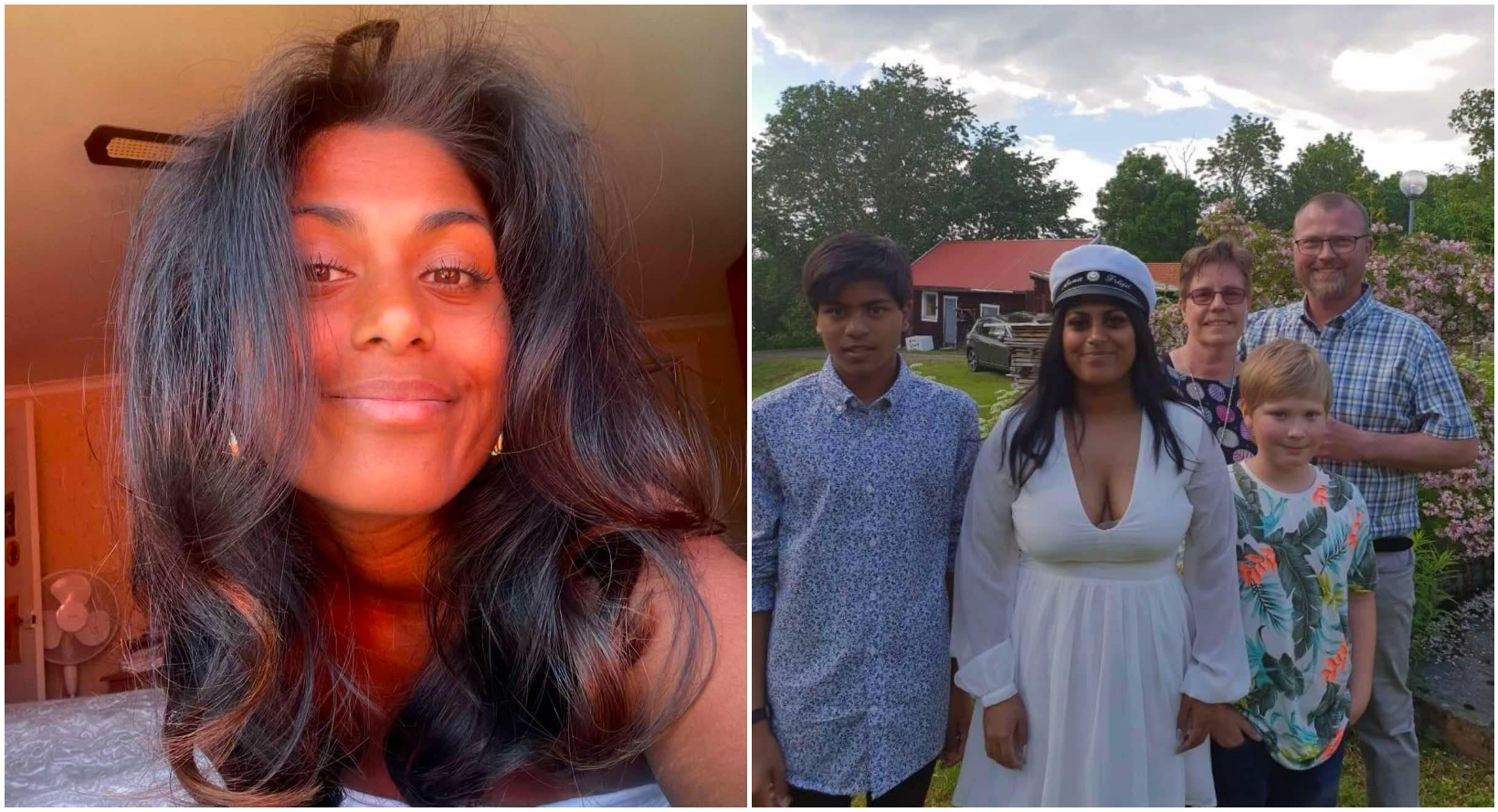
Monday the 18th of November marked adoption day in Sweden. Anna Fröjd, 24, a sports journalist from Mariestad, was adopted from India when she was just five months old. She talks about the struggles, misconceptions and blessings of being adopted: “There’s nothing wrong with being adopted, the only difference is that the person who birthed you is not the person who raised you.”
“I was so young, I hardly remember anything from that time,” Anna explains. “I don’t know anything other than my family now, they are my real family. I don’t care about my biological parents, they don’t mean anything to me. I also learned that they abandoned me, which contributed to why I don’t really care for them.”
The number of adoptions in Sweden is shrinking. The adoption rates for children born outside of the country have seen the largest reduction yet, with international adoptions through authorized agencies falling from around 1,000 children a year in the early 2000s to 84 children in 2023.
There's a lot of criticism regarding international adoptions nowadays. Several countries in the EU have tightened laws on adopting children from certain countries as there were reports of children being taken from their parents as well as financial interests prevailing in adoptions in the past.
Recently, there have also been talks about banning international adoptions in Sweden. Anna understands. “Obviously, for myself and my brother I am very happy that our parents were able to adopt from abroad, so I don’t think it should be totally banned. I can’t - and don’t want to - imagine what our lives would have looked like if we weren’t adopted."
"But I do agree that international adoptions should be better regulated, in certain cases and countries that can be very hard. I think it’s good that children get adopted, I just don’t know at what cost.”
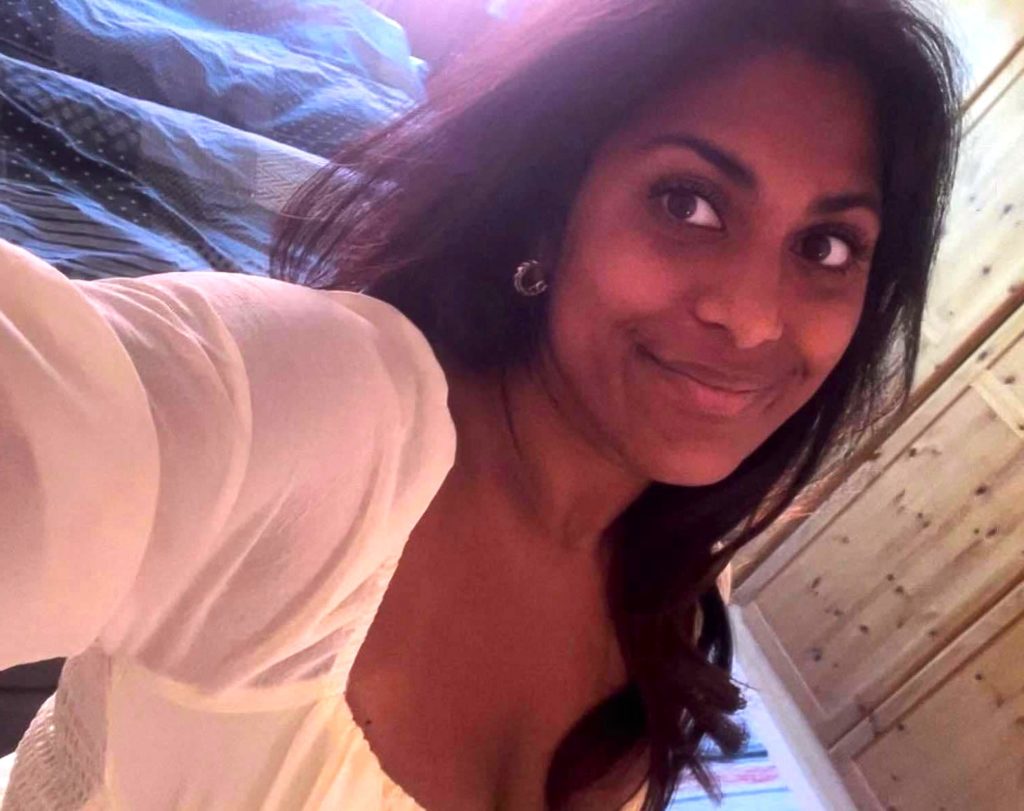
“A common misconception is that every adopted person wants to know more about their background. Not all children care about it, I am a good example of that. When I was younger, I was very fascinated about the Indian culture. But I do not affiliate myself with it, I don’t feel Indian, I feel Swedish. The older I get, the less interested I am about my Indian heritage. I find it hard to talk about, so maybe that's also a defense mechanism."
“I always knew I was adopted," Anna continues. "My parents were very open about that. My brother was also adopted from India, and my younger brother is a foster kid. Our parents always made sure we understood our backgrounds and never made a big deal about adoption or foster care. Even though we are not related by blood, we are a family, one that I always considered to be very normal.”
"I hate it when people ask me: ‘Where are you from?' It reminds me of the fact that I don’t look Swedish. It makes me feel different, like I don’t belong here”
"My adoption does not define who I am. I am Swedish, just not born in Sweden. I hate it when people ask me: ‘Where are you from?' I know they are probably just curious, but I really don't like it. It reminds me of the fact that I don’t look Swedish. It makes me feel different, like I don’t belong here."
"I don’t like that people tend to jump to conclusions. Swedish families look very different nowadays, they are not that traditional anymore. Families can have any shape or form. You don’t need to be birthed by a person to be related to them. My parents are my parents, they are the ones that raised me, even though they did not give birth to me. I wish people were more open-minded.”
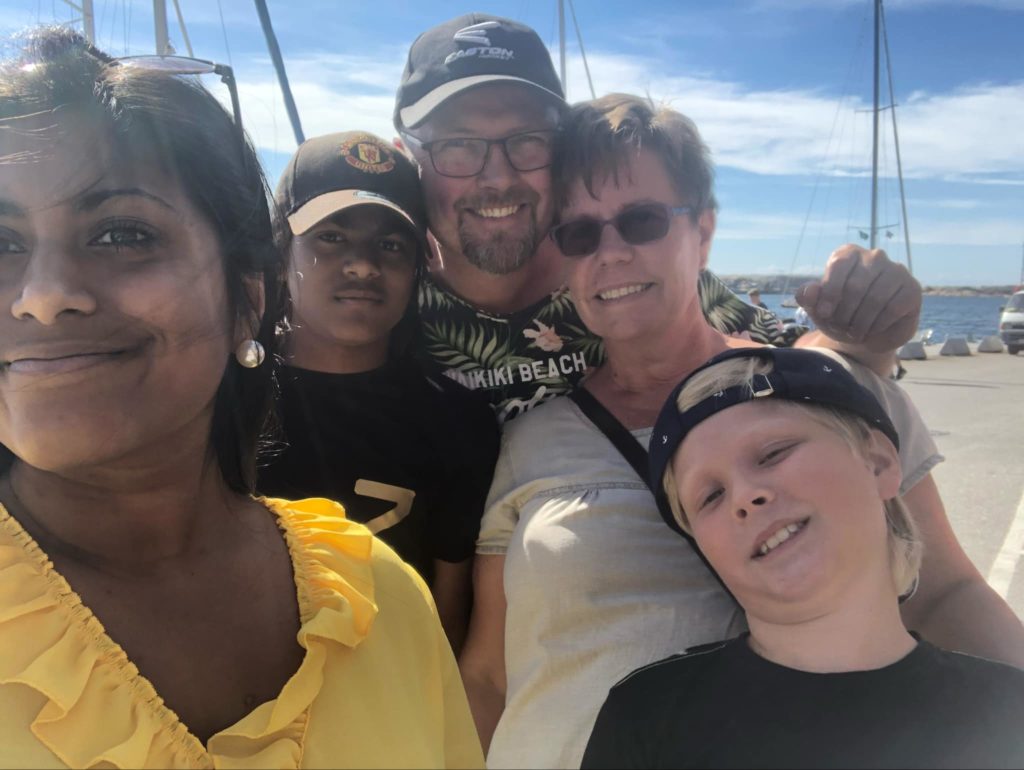
“Many adoptees can have problems with attachment, I luckily did not experience that. I was so young when I was adopted and received a lot of support and guidance from my family here. I did not get any support from the government though. Depending on the age of the child I do think it could be useful for adopted children to get more guidance. For older children I can imagine it would be very hard as you are more aware of what is happening and have more memories of life before adoption. In those cases, it could be very good to have some support.”
The Swedish government does provide help and other services to adoptive families. The social services department in the municipalities are responsible for providing support and assistance to adoptive families after adoption.
"If I did not get adopted, I wouldn’t be the person I am today"
Adoption is often described as a blessing, something to be thankful for, which has been criticized by many. “In my case it is true though," Anna says. "I am very thankful for the life I’m leading today. If I did not get adopted, I wouldn’t be the person I am today. I am very happy with my life, job, family and friends. I would not have those if I would have been raised in India.”
“Adoption is not a big, bad, overwhelming thing that happened to me. I know it’s different for everybody, but I see it as a good thing. I feel like in the US, or on TV, adoption is seen as bad and disappointing. Like people don’t even want to tell their child that they were adopted. I don’t like that image. There’s nothing wrong with being adopted, the only difference is that the person who birthed you is not the person who raised you.”