By Lucília Oliveira
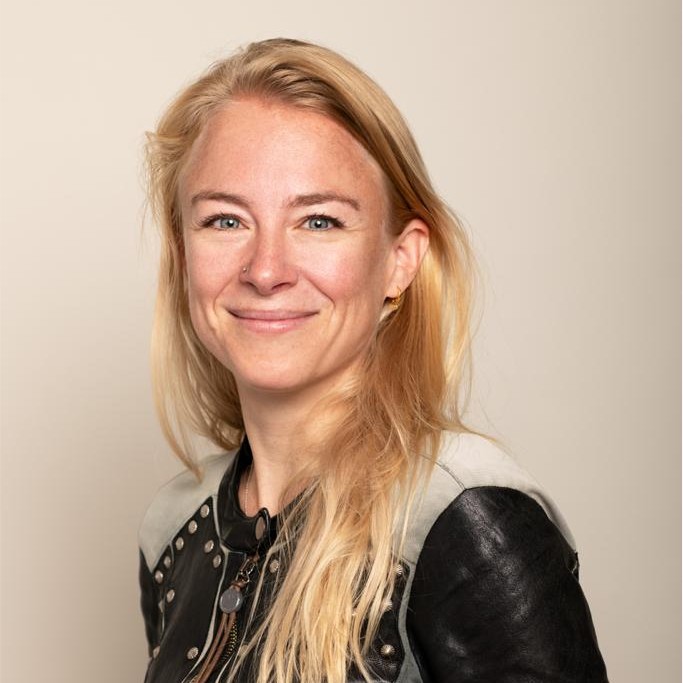
Sanne Terlingen is one of the most notorious cross-border journalists due to her commitment to uncovering human trafficking networks, the exploitation of migrants, child sexual abuse, and organized crime.
| Nationality: Dutch Uncovered that interpreters affiliated with the Eritrean regime were employed by the Dutch government Exposed the involvement of American contractors and French soldiers in sexual exploitation of undocumented refugee girls in Djibouti |
Falling into investigative journalism
Terlingen never ambitioned to be an investigative journalist, but life naturally led her down that path. “One story led to another, and I couldn’t let go. There was more, and I just didn’t stop digging”, she says.
Her first major investigation into child sex tourism took over a year to publish. Despite being told that her findings weren’t enough, she kept pushing by immersing herself in the topic, buying every book she could find, and reaching out to experts for help. Her determination paid off, resulting in a broader discussion about child protection and sexual abuse.
The cost of the profession
Investigative journalism comes with challenges. For Terlingen that means facing threats, backlash, and self-doubt. Reporting on U.S. contractors allegedly abusing refugee minors in Djibouti left her wondering: “Why, of all people, should I go to Djibouti?”. The risks often came with the fear that the story could be silenced, amplifying the uncertainty of an already dangerous job.
Over time, she learned how to navigate these struggles by working in teams, attending global conferences, and learning when to walk away from unnecessary danger. However, some battles surged from unexpected places. “I didn’t realize the backlash that we would get from our own journalism community”, recalls Terlingen when referring to a story on organized child abuse in the Netherlands.
Seeking balance: “I’m still finding my way”
For a long time, Terlingen struggled with setting boundaries. “I felt like I could never stop working and sit on the couch watching a movie when terrible things were happening”, she notes.
Terlingen’s time in the Dart Center helped reshape her perspective, teaching her the importance of a stable personal life. She highlights the necessity of creating space for good things because solely focusing on the negative can lead to a dark mindset.
Becoming a mother made her even more aware of the risks she takes and reinforced the significance of a healthy environment. “If my daughter reacts to what I’m doing, then I know I need to slow down”, she points out. Having a family grounds her, being a constant reminder that life is more than constantly chasing injustice.
Redefining investigative journalism
To Terlingen, investigative journalism is more than uncovering wrongdoings. “I see it as a bridge between people, politics, and daily life. It’s not just about holding power to account with a pointing finger, but about truth-telling and standing up for people who can’t do it themselves”, she reassures.
This perspective led her to co-found Lost in Europe, a collaborative cross-border network that investigates the disappearance of migrant children in Europe. To her, working with trustworthy colleagues increases ethical reporting and the impact of sensitive stories, resulting in more change.
Ultimately, her purpose is to make journalism more diverse and more trauma-sensitive. “If we can do that instead of just chasing the perfect prize-winning story, I hope that will be my legacy”, states the reporter.
Advice to aspiring journalists
To young journalists, Terlingen’s advice is clear: go for the stories that live in the shadows. “Try to fill the gap”, she says. And, above all, “never cross the boundaries of the people you write about. You could write a prize-winning story, but if it comes at the expense of someone’s trust, it’s not worth it.”
| More about Sanne Terlingen |
| Nationality: Dutch |
| Uncovered that interpreters affiliated with the Eritrean regime were employed by the Dutch government |
| Exposed the involvement of American contractors and French soldiers in sexual exploitation of undocumented refugee girls in Djibouti |