
Interviewing Dutch freelance investigative journalist Evaline Schot – 24/02/2025
When the government gives up explaining processes to citizens because they are too complex, investigative journalists should jump in. Evaline Schot reports on complex processes like the use of data and algorithms mostly on the regional level in the Netherlands. “Regional journalism stays mostly on the surface,” she says, “even though citizens are interested in knowing what the government does in their region.”
The municipality of Veenendaal in the Netherlands shared sensitive and personal information about mosque visitors with the Dutch intelligence agency. This sparked a debate on the need for collecting this information and transparency in the municipality.
Evaline Schot wrote this story for Bureau Spotlight, a local-oriented investigative journalism collective. Using FOI requests and other methods, she often investigates local governments and their wrongdoings.
She talks about investigative journalism with a contemplative attitude from the comfort of her couch. In the Netherlands it’s minus two outside, so she has a blanket to fight the cold. She didn’t start as a journalist, but she warmed up to it when working to support journalists for Free Press Unlimited. Feeling like she wasn’t on the right side of journalism, she switched to doing journalism for Lighthouse Reports.
Since then, she has been an investigative journalist who freelances. She reports mostly on regional matters, often focused on unveiling the government’s use of indicators and algorithms.
Biography
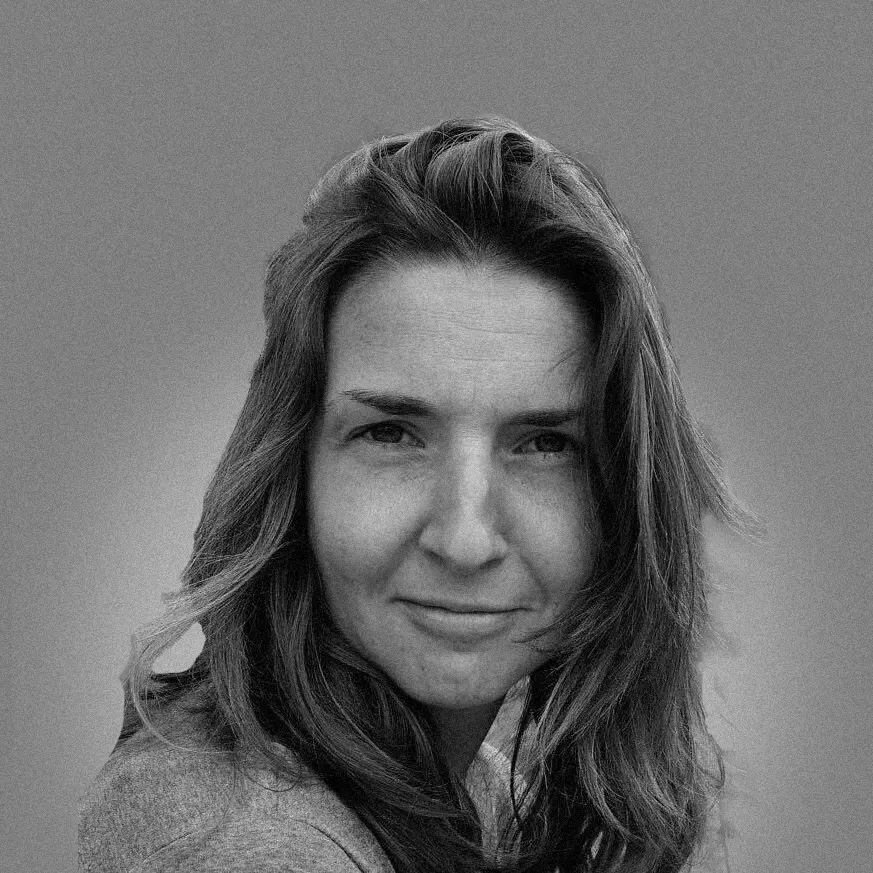
Evaline Schot

•	Works as a freelance Investigative journalist for Bureau Spotlight
•	Lives in Amersfoort, the Netherlands
•	Is a teacher at the Royal Academy of Art in The Hague
•	Worked in the Middle East on international relations.
Perseverance
Investigations require being in it for the long haul. The FOI requests can take months, even years. Evaline Schot submitted a request in March 2024, had conversations with the agency in question in May, and finally got the documents in February 2025.
However, collaborative journalism can speed up this process. Some colleagues are more algorithm-savvy while others might have a great grip on the relevant laws. “Some people know what kind of files underly an algorithm you need to see to know how it works. And that is the type of files you should request,” she explains.
Data breaches
Working with data requires that you be careful. Evaline Schot has seen parts of documents that she was not supposed to see. A few of her FOI requests have accidentally harvested too much data because the document was not redacted well enough. “If it is useful, well then you use it. But if the information is too sensitive, you must report that.”
Especially when personal data from citizens is not blacked out, this effectively means it is a data breach. “I call them and tell them to report this breach to the authorities.” Even though it can contain the person who is the perfect case for your story, she doesn’t use it.
Regional pearls
Her best advice to a new colleague is to take a subject on which the national media has been reported extensively and apply it to a place with less journalism. “There is way less time to dive into topics on a regional level.”
“People can only form an opinion when the processes are explained to them in bite-sized bits of information.”
So, in the future many pearls of investigative stories can be found on a regional level. These regional stories can have a lot of impact; she states that they help to sustain debate in society about complex topics. Long documents full of jargon hamper citizens’ understanding, says Evaline Schot. Algorithms are complex but can have consequences for people’s everyday lives.
When the government stops explaining complex processes to citizens, journalists can have a meaningful impact. Especially on a regional level.
Text by Isa Baas