Nordic Tensions Rise: Sweden Distributes War Preparedness Pamphlet to Millions
By Lucília Oliveira
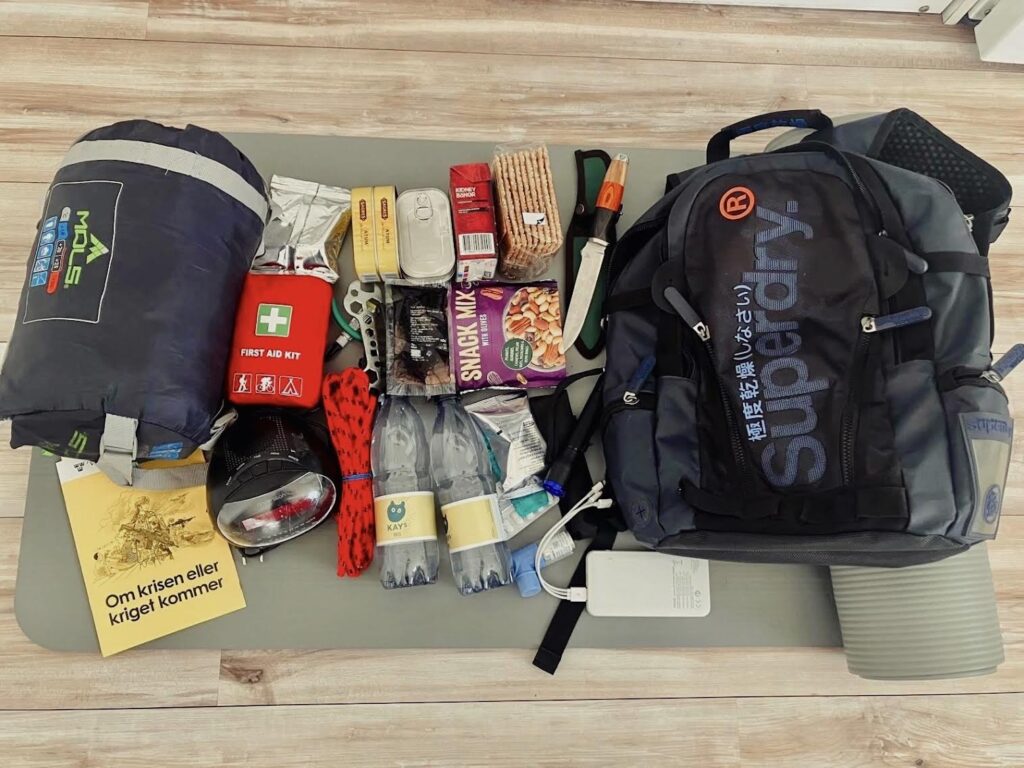
NEWS • In two weeks over 5 million households will receive the 32 pages brochure “If Crises or War Comes”. This because of Sweden joining Nato — and the risk of entering a war is no longer an unrealistic scenario.
“The national security situation has changed drastically and we all need to strengthen our resilience to various crises and, ultimately, war”, says Mikael Frisell, Director General of MSB.
In case of a crisis people should stock up food, water, and medicines for at least one week; find shelter; and keep oneself informed through reliable sources about risks and how to help their community stay resilient.
The brochure is available both digitally and in print in different languages to get to as many people as possible. “To reach populations who are not speaking the native language is always a problem,” says Bengt Johansson, Professor of political and crisis strategic communication at the University of Gothenburg.
From Monday until Thursday, the MSB Department of Communication reported 25.000 downloads for the Swedish version, 27.000 for the English and 1.500 for the Polish ones.
Shelters: A Potential Gap in Civil Defense
This inactive inevitably brings attention to Sweden's civil defense plan, as the pamphlet highlights the importance of shelter usage. Currently, there are approximately 64,000 shelters across the country, with space for 6.8 million people, according to SVT Nyheter.
Most shelters are designed to accommodate citizens generally located in urban areas and densely populated zones, which may create difficulties during an evacuation. Citizens in smaller cities, where there are fewer shelters, will be hard-pressed to seek refuge in the case of hybrid warfare or attacks on critical infrastructure. These dangers may indicate that more should be invested in the civil defense structure of Sweden.
Public Reactions: Concern and Criticism
The public response has been quite reflective. Carl Hällströmer, a Journalism Student at the University of Gothenburg, expressed concerns about the insufficiency of shelters, believing that there are too few shelters for the possible need. “I would imagine a lot of them have been turned for other uses, such as flats or storages, so the landlords can profit from it,” he says.
The response to the initiative has been rather mixed, and some people have demonstrated some concerns. “I'm not afraid of a future war”, Carl Hällströmer says. “The brochure definitely did not cause me a sense of panic”. “It's not a new thing to be prepared. 20 years ago we had these warehouses with food, oil, medical supplies, in the 90 they sold it out because everything needed to be privatized. They made a big mistake and know they're trying to sort it out, but they are 20 years too late”.
At the same time, others noted that the initiative has been potentially alarmist. “It’s scary because, if we have to be prepared, it makes you think that they might come here”, says Alexander Lindell, a Swedish student.