
A short investigation by Hedda Berg, Lucília Oliveira, Ava Liange and Joseph Skillicorn
Food prices in Sweden have risen in the last couple of years, resulting in an increasing amount of people struggling to afford food. A growing number of people in Gothenburg are relying on foodbanks and non-profit organizations to make ends meet.
– A lot of people come in with their hoodies pulled up over their heads, sunglasses even. They are really embarrassed, says Eva Barron, method-developer at Stadsmissionen in Gothenburg. Stigma, embarrassment and hopelessness are some of the feelings users of foodbanks experience.
The issue of food insecurity in Gothenburg is increasing. In fact, five out of six approached foodbanks have noticed a growing number of people reaching for support.
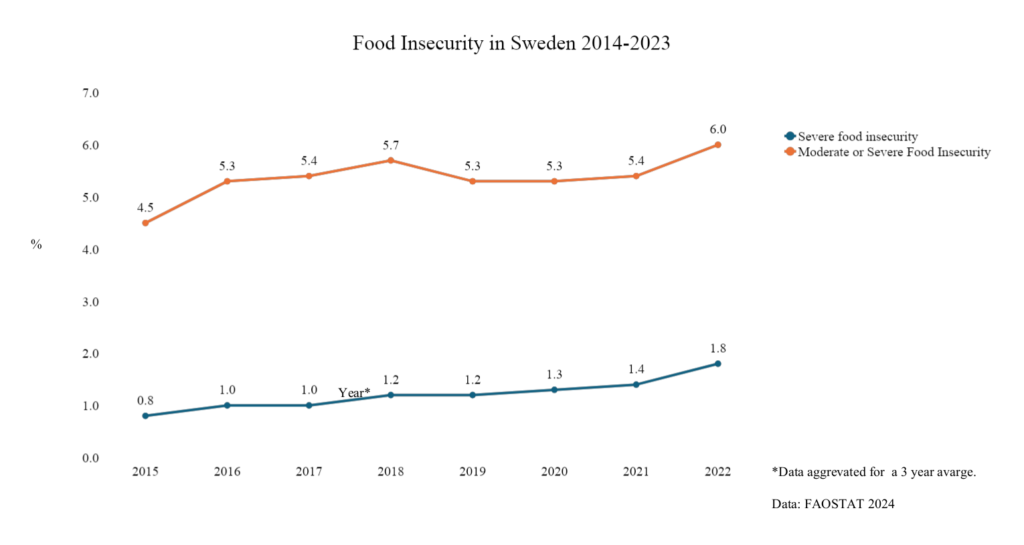
Source: FAOSTAT. Graph by Ava Liange
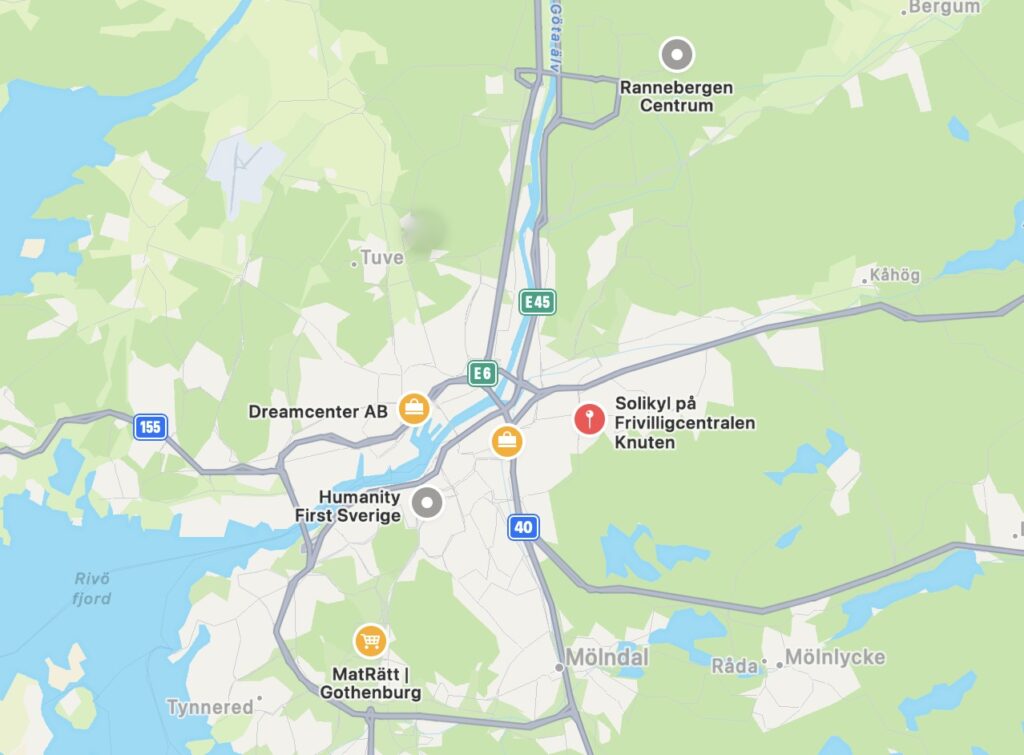
People seeking help at Dreamcenter in Gothenburg has quadrupled since the church started taking applications in 2020, according to Hanna Forsell, operational manager of food distribution at Dreamcenter.
– More people are standing in the queue now, we are about 55 people, two years ago it was 20 to 30 people, says Numan Baig, chairman of non-profit organization Humanity First Sweden.
Maträtt in Angered receives 40 applications a day, a far bigger number since the organization started a couple of years ago, according to Liv Söhdal, store-manager at Maträtt in Angered.
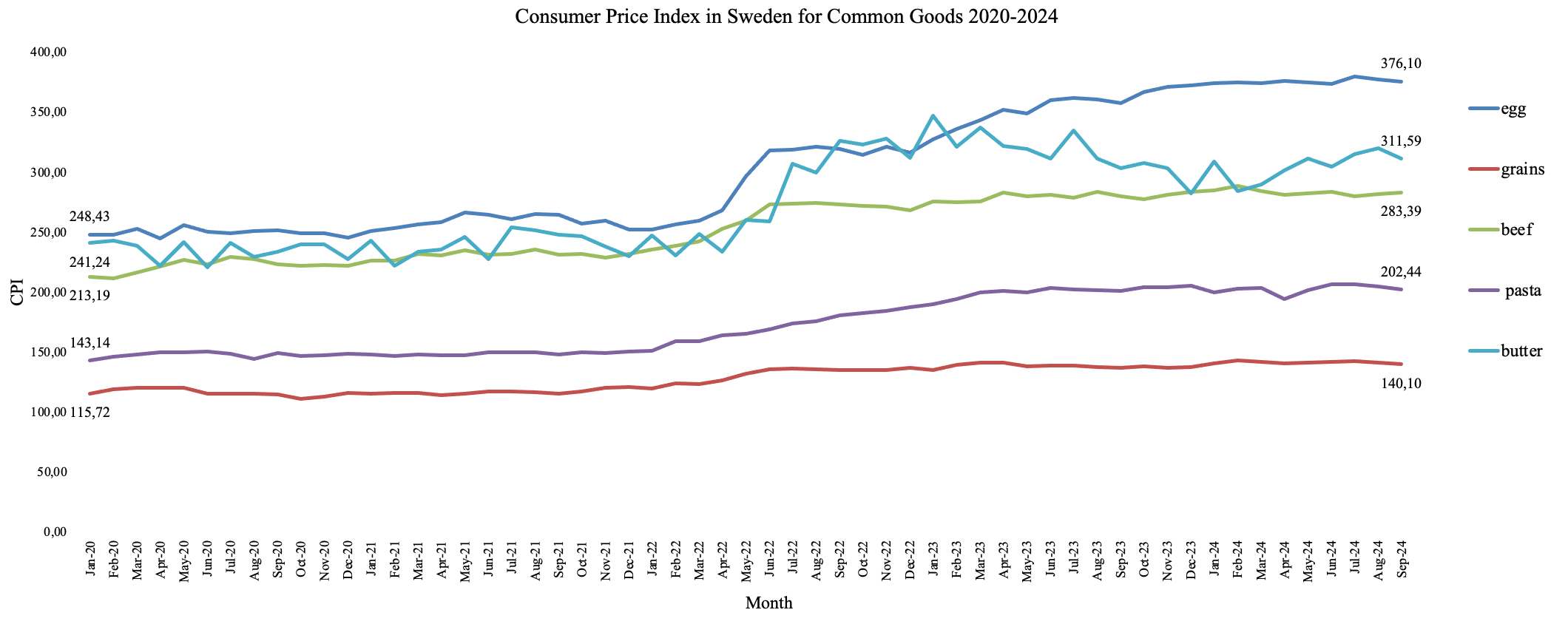
Food prices soared in 2023, reaching its highest point in ten years, according to Statistics Sweden (SCB). In December 2022, the food prices in Sweden were 18.6% higher compared to December 2021. Between December 2022 and December 2023, national food prices had risen by 5.5%. In September 2024, food prices increased by 2.1% compared to September last year.
The homeless population in Gothenburg and those struggling with addiction have always been regulars at churches and humanitarian organizations. Since food prices started rising, foodbanks have reported a shift. Students, single parents, young adults, people with long-term illnesses, food-delivery workers, taxi-drivers and seniors, who previously didn’t need food services to survive, are now seeking their help.
– We see a lot of elderly people that struggle, they don’t have the glasses they should have. If they buy new glasses, they have no money for food, says Eva Barron.
Having to prioritise other goods over food is a recurrent phenomenon when living in poverty. – Food is what’s called an elastic resource (…) they eat more if they have more money and if they have less money, they’ll eat less, says Stéphanie Rost, PhD in Social Work at Gothenburg University.
Most sought-after products
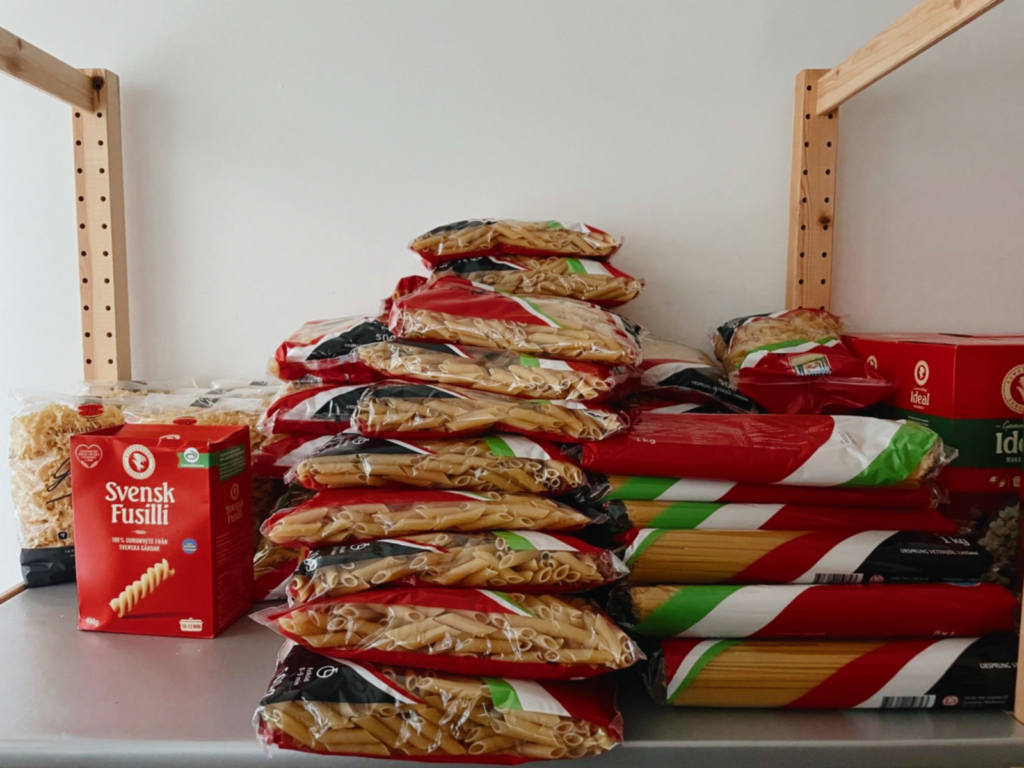
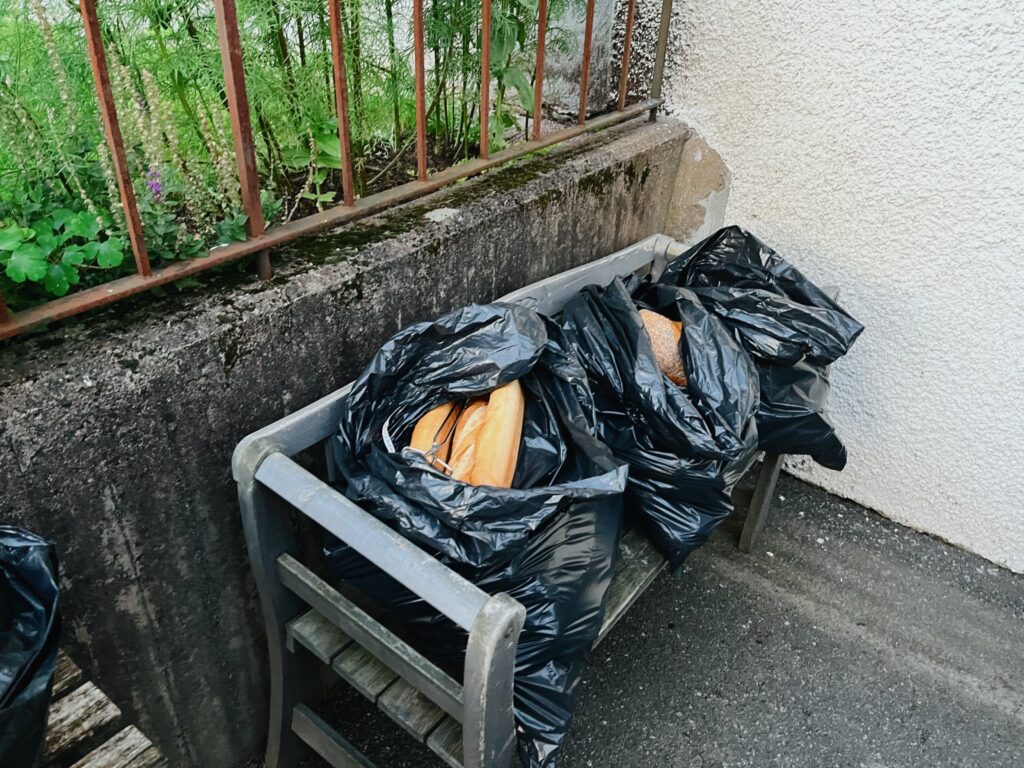
Essential groceries such as grains, oil, butter, milk and diapers are the most sought-after at the food distribution locations.
– A man said that he was glad we had pepper because he couldn’t season his food in a long time, Eva Barron says.
Eggs and chicken are particularly popular products. *Adam, who is a regular at Maträtt, is standing in the queue outside the Ranneberg location in Angered. He is always early to the store to get his hands on meat, but it is quite a challenge since the store runs out of it quickly.
– There is not nearly enough meat for everyone. I rarely get full, he says.
Foodbank users report feeling hopeless, ashamed and powerless
Making the area comfortable, offering users coffee or having them make appointments instead of standing outside in lines are a few of the steps foodbanks have made to make users feel comfortable.
– We try to instill a sense of hope in people. But it becomes very difficult when society beats you down, says Hanna Forsell.
Pensioners experience a particular sense of hopelessness. – They feel a sense of resignation that they have helped build this country, and then a despair that they feel neglected. But the stress is within all groups.
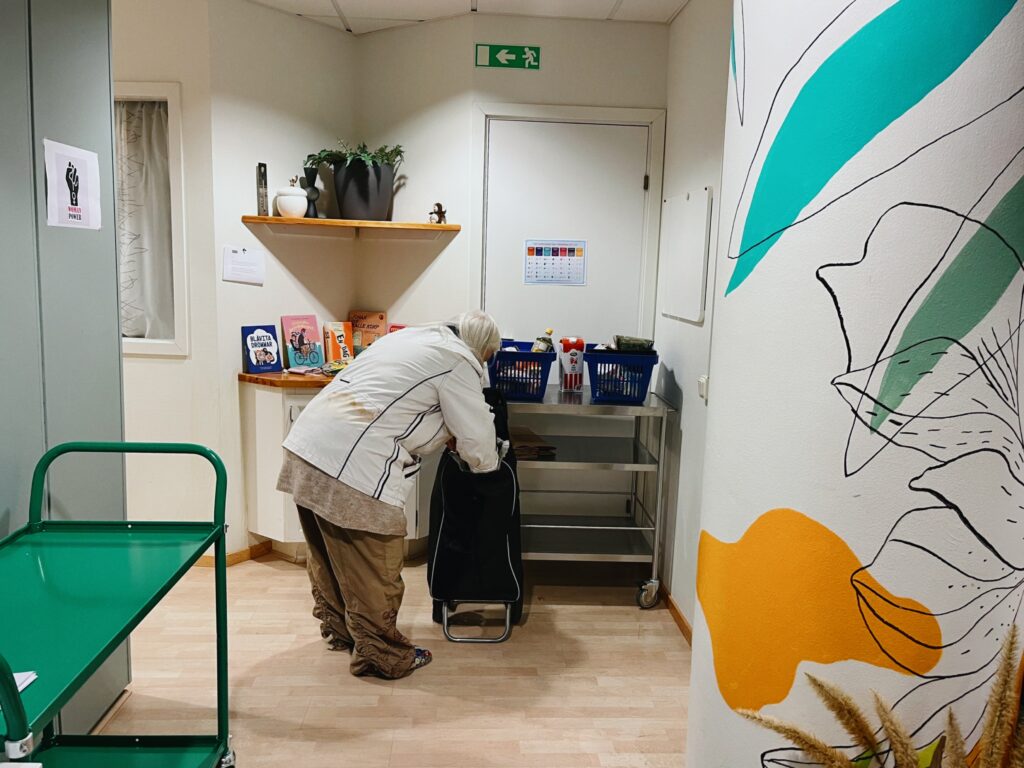
You are already challenged by the fact that you cannot physically live on the amount of money the state is giving you. And then you are kind of punished again, by being told, ‘you should have done better with what you had’, it is a really stigmatizing place to be.
– Stéphanie Rost PhD
“You can’t make any mistakes“
Eva Barron believes that there are societal structures behind the increasing amount of people struggling. She thinks that it’s harder to receive benefits today, especially for people with mental health issues. – If you’re poor and struggling in Sweden, you can’t make any mistakes because if you do, you’re not going to be able to cope.
During a food insecurity crisis, social services are overwhelmed and run short on resources. Numan Baig thinks that social welfare offices do a lot, but often on too high of a level.
– They need to plan something that can impact people directly.
Foodbanks are a part of the solution, but they can’t solve the issue of food insecurity in Gothenburg and Sweden alone. – Society needs to shape up here and do things together with the government, says Liv Söhdal.