Climate change is hitting Norrbotten, the northernmost region in Sweden, at an alarming pace. Yet, efforts to adapt to changing weather are insufficient for Sámi reindeer herders, local inhabitants and businesses. The absence of strategists, plans and funds reveal a dark reality: Norrbotten is not ready for what’s to come.
– We don’t even know where to start, says Emil Sundström, community planner and resident of Arjeplog.
By: Hedda Berg, Hanne De Coninck, Norah Lång, Giulia Penta, Matthijs Touw
It’s “spring-winter” in Norrbotten. Light returns, snow and warmth co-exist, and newborn reindeer calves take their first steps towards the mountains together with their mothers.
The fifth season is here – but nothing is as it used to be.


Photo: Hedda Berg
At Silvermuséet in Arjeplog, Sámi reindeer herder Anna-Maria Fjellström from Luokta-Mávas Sámi village is finalizing an exhibition on reindeer herding. A video of reindeer ploughing through deep snow in a spruce forest plays on repeat – but it’s not from this mild winter.
There’s a sense of hopelessness in her grandfather and father, whose intergenerational knowledge is no longer enough as climate change intensifies. A simple thing such as knowing which river the reindeer can pass becomes challenging as the ice thaws rapidly.
– It’s difficult to use the knowledge on which our entire livelihood is based.
Anna-Maria Fjellström needs to adapt her reindeer husbandry to climate change. Such measurements could entail new bridges, migration pastures, and herding facilities.
But she is waiting for external resources in vain. More support from the Sámi Parliament, the municipality of Arjeplog, the region of Norrbotten or even the Swedish government is not to be expected in the immediate future.
– Money for this is needed regionally and nationally. We’re a large municipality in terms of area, even though we’re few who live here. But it shouldn’t matter.
Norrbotten – Sweden’s Arctic and northernmost region – is facing entirely unique and multifaceted challenges when climate change rewrites the rules.
Nowadays, mild temperatures and rain are followed by cold snaps and blizzards in the wintertime. This past winter only saw records in both average temperatures and gusts. As snow and ice melt, vast stretches of soil and water are exposed, absorbing even more heat than before. This spurs the viscous cycle of Arctic amplification, speeding up warming of the north polar region at least twice the pace of the global average.
Norrbotten could become as much as six degrees warmer by the end of the century, with a shortened snow period, extended vegetation season and increased temperature fluctuations. Earlier spring floods and stronger fall- and winter flows are expected. The risk of erosion, landslides and mudflows increase as the soil is exposed to intense rain. And when permafrost thaws, infrastructure begins to fail.
These big changes in climate patterns threaten the traditions of the indigenous Sámi people. In fact, Norrbotten has the biggest presence of Sámi reindeer herders in the whole country – as many as 85 percent – and 32 out of the 51 Sámi villages have their base in the region, prompting the need for more adaptation to changing weather.
Climate change causes various types of damage to people, buildings, and societies as a whole. Climate adaptation is the action of adapting land, water and buildings to increased precipitation, heat waves and floods. Preserving wetlands, regulating temperatures or preventing floods by raising buildings or installing embankments on watercourses are some practical examples of climate adaptation.
But climate adaptation work in Sweden has been stagnating for years. In 2018, the government commissioned the National Expert Council for Climate Adaptation to evaluate the country’s climate adaptation work. In a 2022 report, the Expert Council’s delivered a blunt verdict: “The efforts that have been made so far have not been able to establish the necessary requirements”. Financial resources for climate adaptation are few, and the mandates are unclear. Climate Minister Romina Pourmokhtari (L) repeatedly referred to climate adaptation as a municipal responsibility. Meanwhile, municipalities are ringing the warning bell – the burden is too big, and the tools are too few.
Our investigation shows that the scarce resources set aside for climate adaptation are unevenly distributed in the country. Where metropolitan municipalities in southern Sweden plan extensive construction of embankments to deal with flooding, Arctic Sweden lags behind – pointing at an uneven playing field throughout the country.
Some of Norrbotten’s municipalities are among the worst equipped against climate change in Sweden, according to IVL Swedish Environmental Research Institute. Our research reveals that 9 out of 14 municipalities in Norrbotten lack a specific environmental or climate strategist. Ten have no climate adaptation plan at all. Only four municipalities have received, or even applied for, support for the prevention of natural disasters from the Swedish Civil Contingencies Agency (MSB). Meanwhile, municipalities are expected to take large responsibility in adapting.
Similarly, only two municipalities have received funding from Naturvårdsverket’s LONA fund for restoring wetlands, in stark contrast to the South.
The Minister for Climate and Environment Romina Pourmokhtari (L) has declined to comment on our findings. But the facts remain: the challenges haunting Norrbotten point to deeper structural issues. Behind them lie systemic flaws of insufficient resources, lack of political will, and national risk assessments that fail to mirror local Arctic and Subarctic environments. Solving the equation of how to prepare for climate change in Arctic Sweden is fundamental – but who is responsible, and who will be affected when adaptation is not put into practice?
We set out on a journey to investigate this.
Arjeplog: the calm before the storm
Back in Arjeplog, the mile-long roads wind through the subarctic landscape. The views paint a picture of an almost untouched nature. But behind picturesque views, climate change is creeping closer.
Stina Ederlöv runs the ski resort Galtis located on the mountain Galtispuoda, looming over Arjeplog. In the wake of the mild winter, she was forced to close the slopes early. Every day she notes the outdoor temperature, which has fluctuated over the years. Her own statistics expose the extremes: temperature, wind and precipitation are irregular.
– I’ve had many sleepless nights worrying about the weather.
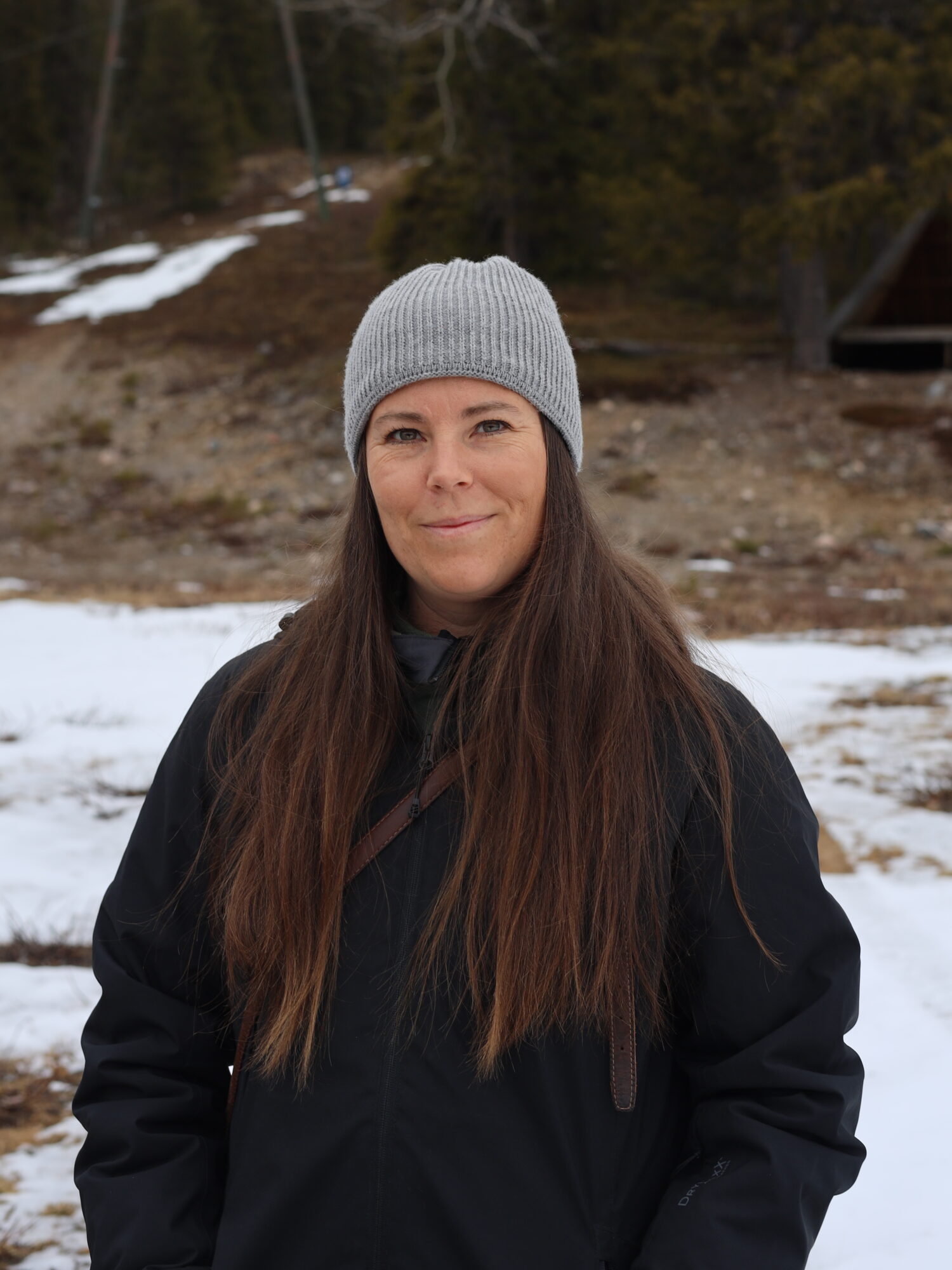
The family-owned ski resort and the reindeer husbandry are important players in the local economy. Despite this, the municipality does not provide any adaptation support for them. In IVL ‘s ranking, Arjeplog places last among Norrbotten’s municipalities and among the ten worst nationally.

The municipality is struggling to keep up with unpredictable snow masses, all while the current stormwater system can’t cope with unexpected downpours.
The need for adaptation is urgent. Yet – no risk analysis, no investments, no grant applications.

Photo: Matthijs Touw
– We don’t even know where to start. Climate issues aren’t prioritized here. It’s reflected in our politics, says Emil Sundström, Arjeplog’s community planner.
Indeed, investing in preventive measures can cost a municipality billions – resources that Arjeplog lack.
– State funds should be set aside for climate adaptation. We need both expert and financial help.
Anna-Maria Fjellström is also waiting for national resources to adapt her reindeer husbandry to climate change:
– Money is needed regionally and nationally. We’re a large municipality in terms of area, even though we’re few who live here. But it shouldn’t matter.
Arjeplog’s mayor Isak Utsi (S) is aware that climate change is hitting his community. But despite adaptational gaps in his organization, there’s no plan to hire an environmental strategist. Money is too short.
– It’s urgent that we work on these issues. A major obstacle is that we have an underfunded municipality and we’re finding it difficult to cope with basic tasks. It’s difficult to allocate funds to basically anything – regardless of sector.
Sámi villages left to face the heat alone
When municipal support falls short, Sámi villages seek help elsewhere.
Several villages received assistance in creating their own adaptation plans, in collaboration between the county administrative boards, the Sámi Parliament, the Swedish Sámi National Association (SSR) and SMHI.
But moving from the planning stage is difficult.

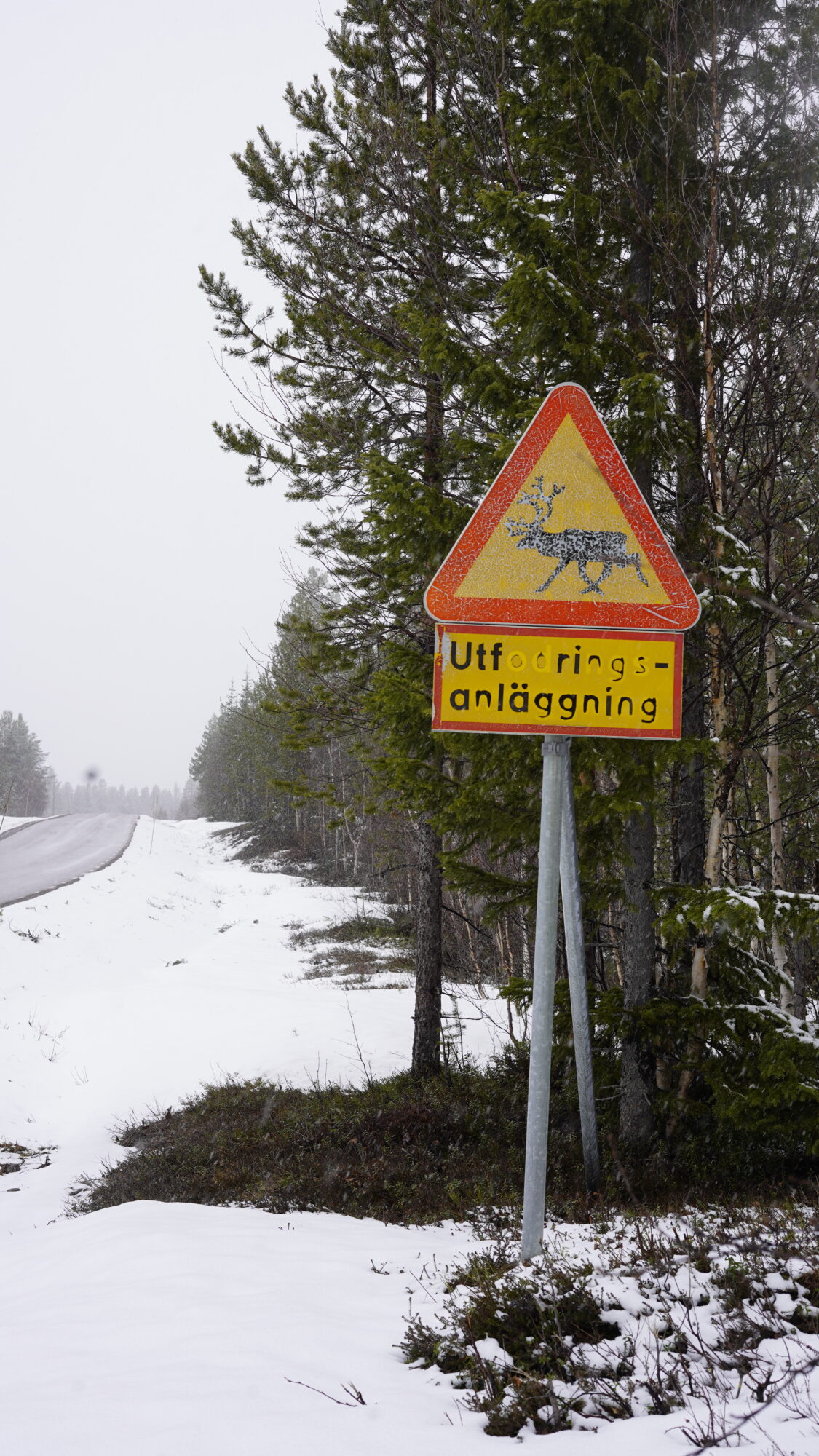
Photo: Hanne De Coninck
Anders-Erling Fjällås is chairman of Semisjaur-Njarg, one of the Sámi villages included in the project.
Has the adaptation plan paid off?
– Not even close. It was just a paper product.
He advocates for a national or EU climate fund where Sámi villages can access adaptation financing. The idea was raised both in the Sámi Parliament and in dialogue with SSR and government authorities but was met with silence. He is now drafting a proposal to the UN.
– There is really no interest today, neither from Sweden nor the EU.
Many Sámi communities are forced to seek emergency support from the Sámi Parliament to manually feed their reindeer due to ice-locked pastures. Still, Sámis in Norrbotten voiced criticism of the application process, calling it too undynamic for today’s unpredictable winters.
Anne Walkeapää, community planner at the Sámi Parliament, responds:
– It’s an important issue, but it’s not climate adaptation. It’s an emergency solution.
If the money was there, Sámi communities could invest in long-term adaptation measures – like new bridges, migration pastures and herding facilities. But there are hardly any funds in the Sámi Parliament. Emergency support and project grants for the promotion of reindeer husbandry are in the same money bag – and during hard winters, money quickly runs out.
The challenges haunting reindeer herding point to deeper structural issues extending beyond one industry. Behind them lie systemic flaws of unclear mandates, insufficient resources and national structures not reaching local levels.
Boden: a struggling hotspot
In Boden, 224 kilometers northeast of Arjeplog, military personnel from the Armed Forces’ largest regiment in Norrbotten roam the city. The spirit of preparedness is in the air – but preparation is not only of military nature. In IVL’s ranking, Boden is in joint first place with Norrköping: a top position that the municipality did not earn overnight.

In 2017, before climate adaptation became a requirement in municipal community planning, Boden adopted climate risks in its comprehensive plan. Collaboration across administrative boundaries is essential for driving adaptation work that’s not just about writing nice reports.
Rainwater, a seemingly harmless weather phenomenon, can in an intense form bring pollution from streets into the Lule River. To meet increasing torrential rain, the municipality has installed the project Kvarnbäcken – a facility that purifies stormwater and relieves water networks.

Engaging people around measures like Kvarnbäcken is challenging. Therefore, local politicians were invited to a VIP tour of the site by the municipality. The facility also serves as a park for residents.
– People can come here in the summer – hopefully it’ll be a bit greener by then, consultant Magnus Bäckström laughs, while gazing over the grey “spring-winter” weather surrounding Kvarnbäcken.
Despite top rankings and VIP tours, financial constraints in the region cast a shadow over Boden’s efforts.
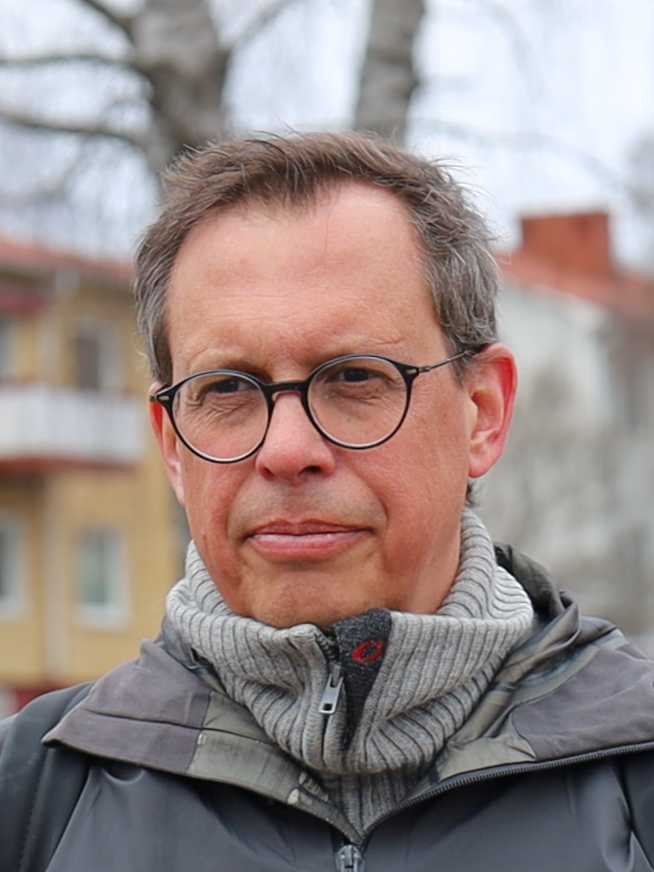

Elin Lindahl works with Boden’s climate adaptation on a daily.
– We’re the only municipality in Norrbotten with two climate strategists. And yet we feel that we don’t have time.
Despite adaptation funds within the Swedish Environmental Protection Agency, MSB and the EU, Norrbotten’s municipalities lack the resources to even apply for such grants. Navigating MSB’s bureaucratic and uncertain application processes may entail consultant support – which can empty a municipal budget.
– You could spend a million on an application for a ten million project without knowing if it’ll be granted, Elin Lindahl says.
The few other climate strategists in the region agree:
– It’s like: “If I have all this on my plate, why should I spend time applying when I don’t know if we’ll get value for it?”
Also, if a municipality has applied several times, the process will be much easier than for first-time applicants.
– In the end, it will be the frontrunners and the rest, says Magnus Bäckström.
Mayor in Boden, Sead Maglic (SJVP), has not gotten back to us with comments.
Government and counties: a stormy relationship
Infographic: Norah Lång
Previously, county administrative boards could cover the municipalities’ consulting costs as part of their responsibility in managing adaptation efforts. But in 2023, the government reduced the budget.
Frida Nilsson, responsible for climate adaptation at the County Administrative Board in Norrbotten, has noticed the effects of the cuts despite being new in her role. Working only part-time, she has no insight into municipalities’ adaptation work.
– This is the effect that cutting funds has. If the government doesn’t see it as a prioritized area, they move the money to something else.
According to Ida Axelsson Wall, coordinator at MSB, the agency has considered altering the application process for smaller municipalities.
– But ultimately it’s the politicians who decide.
When asked to comment on our investigation, the Minister of Defense, Carl-Oskar Bohlin (M), responds in an email:
“The funds that the Ministry of Defense has at its disposal regarding climate adaptation, in the form of support to municipalities and regions to take preventive measures, remain on a high level at half a billion kronor in the 2025 budget”
Therese Sjöberg, climate adaptation investigator at SMHI, disagrees:
– 500 million kronor in MSB funding is insufficient. The total annual application amount is usually between 1,2 to 1,5 billion kronor, which clearly shows the gap.
The European Commission also reserves billions in climate finances, but research and innovation are prioritized before adaptation. Here, municipalities in Norrbotten are struggling again to secure their EU share, says Carina Christiansen, senior policy advisor at the North Sweden Office in Brussels.
– It’s a fight for money.
But even before getting to the point of fighting for money, there’s another hurdle for municipalities to overcome: the application process. The European Climate, Infrastructure and Environment Executive Agency (CINEA) – the Brussels-based arm of the European Commission responsible for driving the European Green Deal and manage a portfolio of over €50 billion for the 2021–2027 period – has shared with us a pattern of recurring obstacles that trip up applicants seeking support for transformative initiatives.
Clouded judgements in national risk mapping
Without clear risk assessments, justifying the need for grants to combat climate risks is difficult.
There are vast areas of wetlands affected by drainage in Norrbotten. But as stated earlier, money for restoring these – usually found in the Swedish Environmental Protection Agency’s LONA fund – hasn’t reached the affected municipalities. One explanation is that the government is prioritizing restauration of drained peatlands in southern Sweden, as these release more greenhouse emissions.
But is the aim of reducing emissions really an act of climate adaptation? Aren’t there risks in not including climate adaptation support for other wetlands in the North?
– It’s primarily a political decision. But there’s indeed a risk that certain areas won’t get the resources they need, says Lotta Sjöholm, national LONA coordinator.
Similarly, in 2021, MSB and the Swedish Geotechnical Institute (SGI) identified ten national risk areas for climate change related landslides, erosions and floods. But Norrbotten is completely left out as a risk zone.
Cecilia Alfredsson, administrator at MSB, claims population density is a crucial indicator.
– If there’s a landslide outside an urban area, it won’t have any bearing on this analysis.
In areas where climate risks are assessed to have major consequences for cultural heritage, Norrbotten is echoing with its absence. Still,
4 200 cultural environments in the county face threats of flooding and over 200 are at risk because of landslides.
Back in Arjeplog, Malin Brännström, director of Silvermuséet, says Norrbotten’s cultural environments are often non-physical – which MSB’s assessment neglects.


Photo: Hedda Berg
– Cultural sites are more subtle to the eye here, but they’re there. I can’t understand why a church should be more protected than a cultural environment that does not leave physical traces.
According to Cecilia Alfredsson, it’s up to the Sámi Parliament – an already resource-constraint agency – to protect the cultural heritage. Meanwhile, the new government inquiry calls for greater state responsibility to protect coastal heritage from rising sea levels – not Sámi culture and the broader heritage in Norrbotten.
Minister of Culture Parisa Liljestrand (M) has chosen not to comment on this.
Cecilia Alfredsson admits there’s a risk that MSB could miss local conditions in their assessment, but the map isn’t supposed to analyze details at a local level.
– The municipalities should make that analysis themselves.
Still, MSB states that the mission of the national risk map is to “give guidance to establish necessary preventative measures to minimize the risks”.
Wouldn’t municipalities feel less inclined to adapt if the region isn’t considered a risk area in national assessments?
– If nothing has happened before, such as a flood, then it can be difficult to prioritize that work I suppose.
Disasters first, action later: Övertorneå drowning in insurance
A few hours northeast of Arjeplog and Boden lies Övertorneå. The vibrant Torne River marks the national border with Finland, but in 2023, the river left a particularly strong impression on residents – reminding them that it’s as treacherous as it’s scenic.
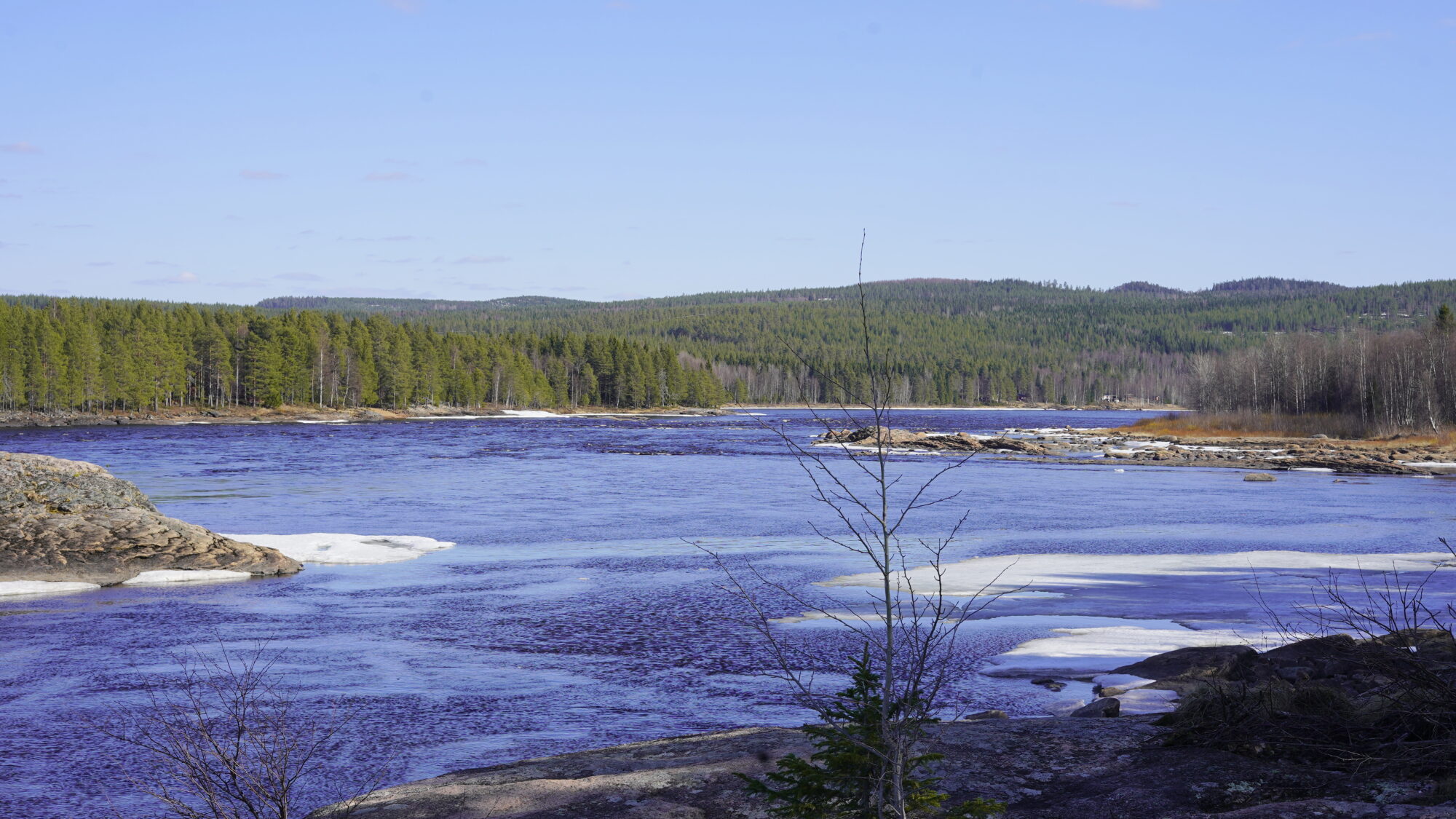
The spring flood was the strongest in over 50 years, with flows comparable to the previous record of 1968. Some measuring stations noted all-time-high peaks.
The village Jouksengi, crossed by the Arctic circle, lies upstream from central Övertorneå. Tranquility is a fact of life here – but two years ago, farms, basements and gardens were flooded. Juoksengi was the most affected area when the spring flood ravaged.
Håkan Taavo has lived in Jouksengi his whole life. One spring morning in 2023, his basement turned into an aquarium with fish making their way in from the Torne River. Suddenly he could visit his neighbors by boat.

Eventually, the water level in his basement rose as high as 70 centimeters. He uses his leg as a measurement to show us.
– It was all the way up to my knees.
While insurance covered parts of the renovation, Håkan Taavo had to pay most from his own pocket.
– It was very expensive.
Insurance lawyer Staffan Moberg, member of the National Expert Council for Climate Change Adaptation, warns of a doomy future if governmental and municipal adaptation measures are not put into place.
– We must raise the premium if nothing is done. We can still bear the costs now, but eventually they will be too high. In the end, it’s ordinary people who will pay the cost.
Cornelis Uittenbogaard, community planner in Övertorneå, says that the municipality has now raised sewage wells, installed non-return valves and separated old stormwater pipes from the sewage system.
– After the flood in 2023, many people, including politicians, began to take flood risks more seriously.
Tomas Mörtberg (C), mayor and farmer in Övertorneå, looks back on the event. SMHI had predicted normal spring flows, but it had rained in the mountains, and it was a warm year. When the snowmelt started, it only took two days before the water had risen several meters.
– We were shocked.

Photo: Matthijs Touw
His farm, located on a small hill, became a lonely island in the vast water landscape. The main road was closed, and his milk truck didn’t reach the store on time. Over 10 000 liters of milk had to be discarded. In town, the situation was critical. The sewage system was overloaded, forcing the municipality to flush dirty water into nature.

Photo: Giulia Penta
Two years later, Tomas Mörtberg examines MSB’s national risk map.
– I’m sorry to swear, but it’s fucking strange.
If you do feel that Norrbotten is a risk area – why didn’t the municipality start working on climate adaptation earlier?
– As a politician, you don’t win any new mandates by investing in water and sewage or civil protection and preparedness. It’s cooler to build a bowling alley. I think our view changed: climate adaptation is now part of the municipal core.
Expensive repairs in Övertorneå lead to increased municipal taxes and water and sewer tariffs. But the municipality also received claims from insurance companies, who believe that water damage was caused by deficient infrastructure.
– If there’s a similar flood, we’re in the same shit again. I think it would be even worse for the municipality then. The insurance companies could say: “You know about this. Why haven’t you done anything?”
Tomas Mörtberg pauses and looks out the window.
– We’re not alone. No municipality can escape this.
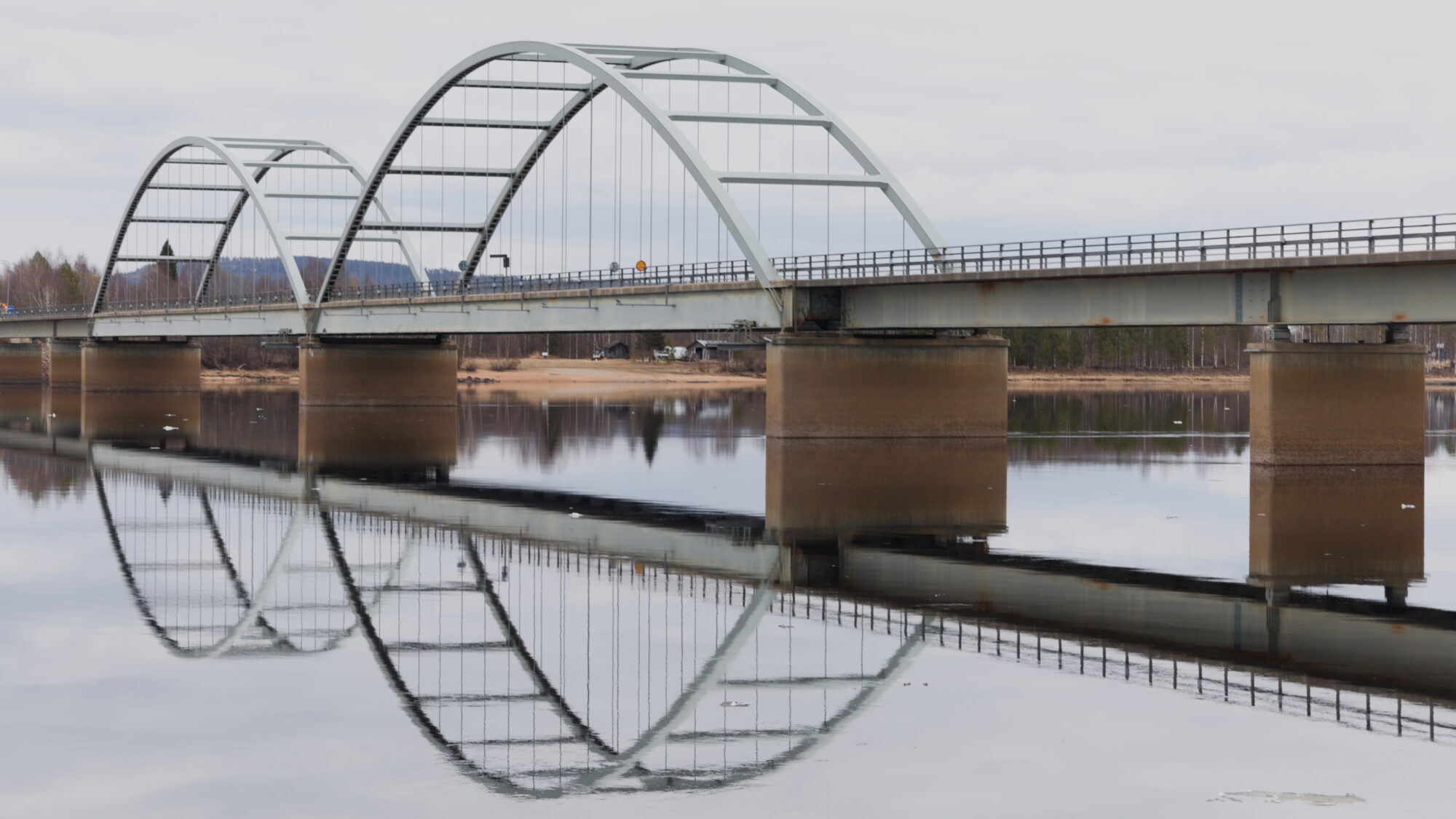
Despite his personal wake-up call, he still thinks holiday homeowners should pay themselves for flood protection.
Isn’t it in the general interest of the municipality to protect all homeowners?
“We’re not obligated to prevent damage to holiday homes, as most holiday homeowners in Övertorneå are registered and pay taxes in other municipalities. It’s unreasonable that we as a municipality should pay to prevent damage to those properties”, Tomas Mörtberg responds in an email.
Governmental responsibility put on ice
We’ve returned to Arjeplog. Anna-Maria Fjellström stands in Silvermuséets exhibition room, quietly watching the video of reindeer moving through deep snow – a scene that feels like a long-lost memory of the Norrbotten that once was.

And indeed, the risks are no longer a distant threat. Failing infrastructure, floods and lost heritage have all become reality.
Yet, the government’s stance remains intact in the new climate adaptation inquiry: no further state funding, no increased government responsibility. The financial burden is placed on municipalities, property owners – and common people.
The resilient North has weathered many storms. But as the climate crisis intensifies, the question lingers: will the people who have lived here for generations be left to face the disaster on their own?
The Minister for Climate and Environment Romina Pourmokhtari (L) has declined to comment on our investigation.
By: Hedda Berg, Hanne De Coninck, Norah Lång, Giulia Penta, Matthijs Touw