
Pay, or get confused – vulnerable elderly struggle with frequent medicine changes
Some elderly pay the full price for the prescription medication they prefer, instead of taking the state-subsidised cheaper copies. Pharmacies warn that frequent changes in medicines cause confusion among some elderly.
By Isa Baas, Hannah Thulé, Paulina Wrotynska, Matthijs Touw
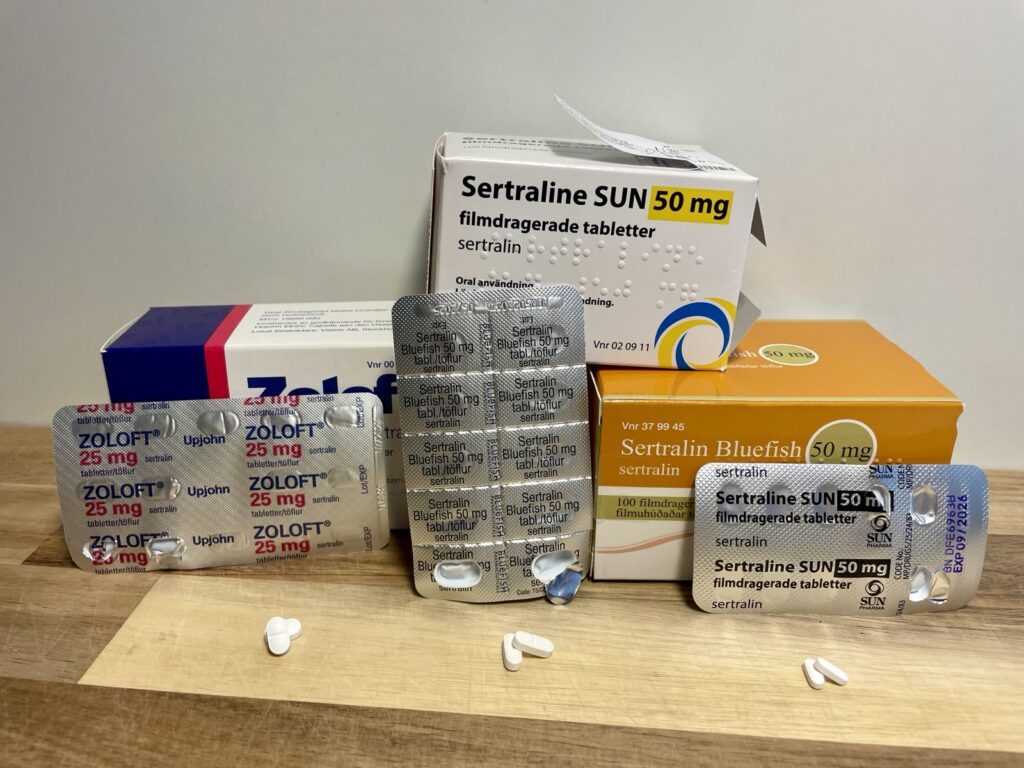
Pharmacists say many elderly feel confused when the medication they’re used to, or their doctor prescribed, is exchanged for a cheaper copy at the pharmacy. This is called generic substitution. In the worst case, confusion results in double dosing or mix-ups.
To keep the government’s medical costs down, a cheaper generic equivalent for every type of brand medicine is selected for each month. The Dental and Pharmaceutical Benefits Agency (TLV) has a monthly procurement, where pharmaceutical companies compete to sell their generic medicine.
This means the name, package, and appearance of prescription medication often change.
Pharmacies and the Swedish National Pensioners’ Organisation (PRO) confirm the change of medication causes confusion and scepticism among elderly.
– Differences in appearance can cause anxiety about whether they are taking the correct medication or if it will have the same effect, says Carina Benjaminsson, Expert and International Coordinator at PRO.
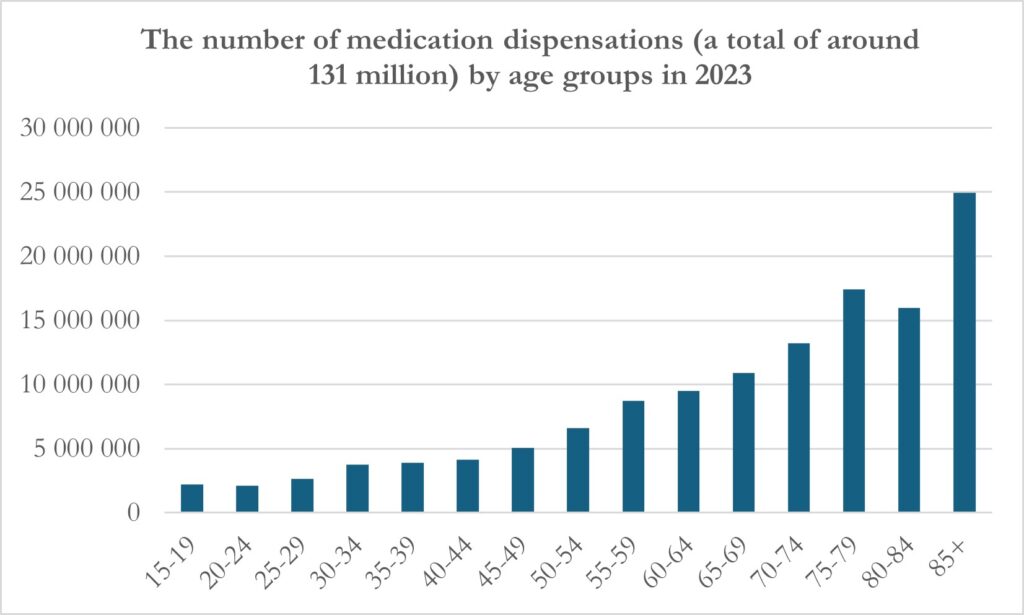
Elderly who take many medications are particularly vulnerable.
– There are clients who mix up their pills because the pills and packages look different depending on the brand … those who take a lot of medication … or use morphine or sedatives get confused, says Monika, a pharmacist at Regements Apotek in Malmö.
The patient pays
Part of Sweden’s welfare model is to ensure that citizens can afford prescription medication. The state has a system of high-cost protection to protect citizens from paying too much per year.
Explainer: Matthijs Touw
Many elderly want to stick to their preferred medicine (instead of the generic medicine or doctor’s prescription) for which they pay the full price, since the medicine isn’t included in the high-cost protection.
– Either they pay the price difference … or the medicine isn’t covered by the subsidy. That results in them not wanting to pay, and then they take the subsidised brand, which makes it more difficult for them, says Monika.
Responding to elderly being unable to have their medicine of choice, Therese Gennevall, Head of the Unit for Supervision at TLV, states that the regulatory framework works, but cannot work perfectly for everyone. She says that pharmacists can change the substitution medicine for the prescribed medicine. Clients then pay the price difference between the generic and prescribed medicine.
Today’s system allows pharmacies to refuse substitution under specific circumstances, dispensing the doctor’s prescription instead without additional costs for the client. Personal preference is not a valid reason for changing. So, the problem of not receiving their preferred medicine without paying persists.
Doctors, on the other hand, can refuse substitution without giving any reason. Pharmacists say they sometimes send clients back to the doctor to change the prescription to their preferred medicine.
Doctors’ role
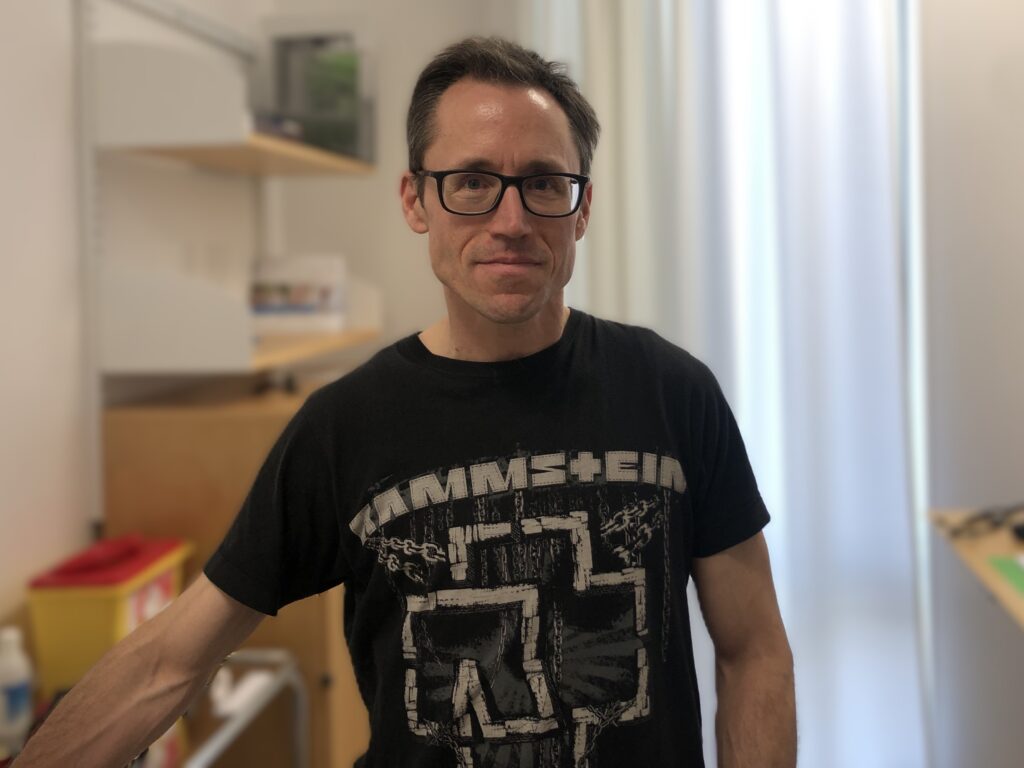
Staffan Svensson, a general practitioner at Bergsjön Healthcare Centre in Gothenburg, says he usually grants patients’ requests.
– If it seems reasonable, I cross the ‘no substitution’ option. In principle, I do this when it is not something very weird, says Svensson.
Johan Olofsson, pharmacist and Head of the Association for Independent Swedish Pharmacies (SOAF), says the prescriber rarely has time to verify if generic substitution is suitable. The question is also if all elderly patients dare to stand up to their doctors. According to Monika, this is not always the case.
Authorities should act
Pharmacists do not oppose the system per se, but many want a solution from the authorities regarding risks of incorrect use of medication by elderly. Currently, pharmacists encounter confused elderly wrongly medicating and try to inform them about how the system works. Many want TLV to act so that the system better accounts for the elderly. Olofsson proposes pharmacists should get more authority to decide what medicine is in the client’s best interest.
“The system is difficult for the elderly. One would wish for the government to sort it out so that the elderly wouldn’t have to pay the price difference”
– A pharmacist from Södertälje